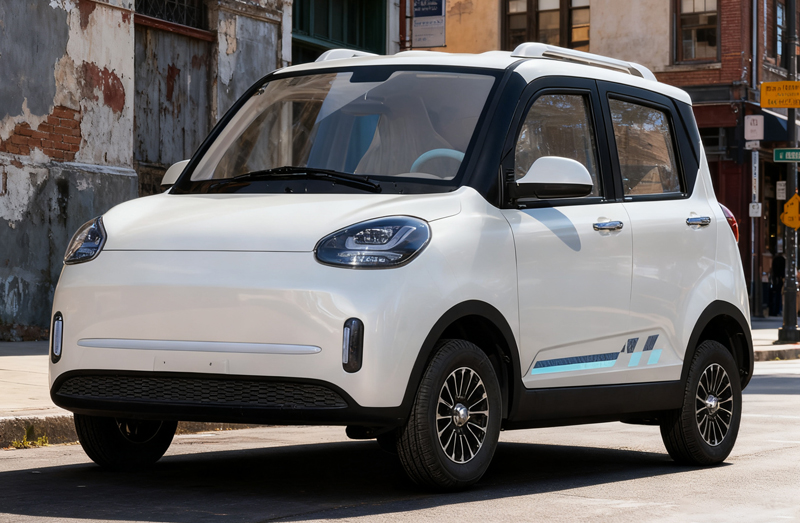
In recent years, electric vehicles (EVs) have emerged as a game-changer in the global transportation landscape. Combining eco-friendliness, cost-efficiency, and advanced technology, EVs are no longer a niche choice but a mainstream solution for daily commuting, leisure rides, and even commercial use. Whether you’re a first-time buyer or looking to upgrade your current ride, understanding the key knowledge about EVs is crucial to making informed decisions—especially when navigating international markets with diverse road conditions, regulations, and usage habits. This guide covers everything you need to know about electric vehicles, tailored for global riders and international trade enthusiasts.
Core Components of Electric Vehicles – Understand What Powers Your Ride
To choose the right EV, it’s essential to grasp its core components and how they impact performance. Here are the key parts you should know:
- Battery Pack: The “heart” of an EV, determining range, charging time, and lifespan. Common types include lithium-ion (Li-ion) and lithium-polymer (LiPo) batteries—Li-ion is widely used for its high energy density, long cycle life, and stability, making it ideal for most electric scooters, motorcycles, and cars. When comparing batteries, pay attention to capacity (Ah, ampere-hours) and voltage (V)—higher Ah means longer range, while higher voltage boosts power.
- Motor: Converts electrical energy into mechanical energy to drive the vehicle. There are two main types: brushless DC motors (BLDC) and brushed motors. BLDC motors are more efficient, quieter, and durable (with fewer moving parts), making them the preferred choice for high-quality EVs. Motor power (measured in watts, W) directly affects speed and load capacity—for example, a 500W motor is suitable for urban commuting, while 1500W+ motors handle steep hills or heavy loads.
- Controller: Acts as the “brain” of the EV, regulating the flow of electricity from the battery to the motor. It controls speed, acceleration, and braking, ensuring smooth operation. A high-quality controller improves energy efficiency and protects the battery from overcharging or deep discharging.
- Charging System: Includes the charger (AC or DC) and charging port. Most consumer EVs use AC chargers (110V/220V) for home or public charging, with charging times ranging from 4-8 hours. DC fast chargers (available at dedicated stations) can charge the battery to 80% in 30-60 minutes, ideal for long-distance travel. Ensure the EV’s charging port is compatible with your region’s standard (e.g., Type 2 in Europe, J1772 in North America).